Brake Inspection vs Brake Service
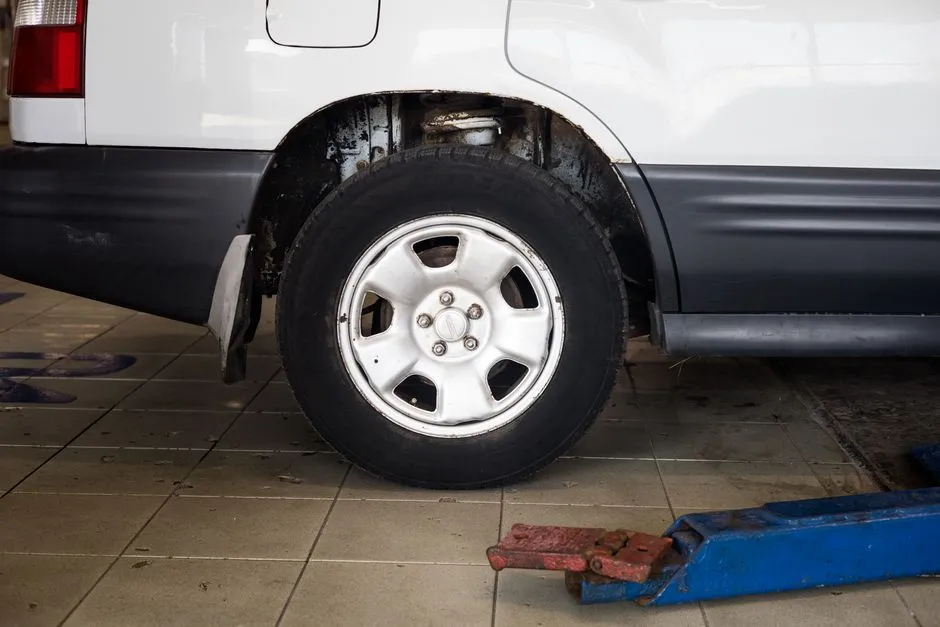
A brake inspection measures; brake service changes the system
A brake inspection gathers evidence about pads or shoes, rotors or drums, hydraulic components, hoses, parking brake, hardware, warnings, and operation as applicable. Brake service may replace, machine, clean, lubricate, adjust, flush, bleed, calibrate, or repair specific components. The phrase “brake job” is too vague to authorize safely. Ask what was measured and what will change.
Start with symptoms and safety
Reduced braking, a sinking or dangerously changed pedal, severe pulling, fluid leakage, smoke, burning odor, or an explicit warning can require immediate stopping and towing. Noise or vibration also deserves prompt qualified evaluation.
Do not road-test a vehicle whose ability to stop is uncertain. Traffic is not a diagnostic dynamometer.
Define inspection scope
A useful inspection documents friction-material thickness and wear pattern, rotor or drum dimensions and condition, fluid level and visible condition under the proper procedure, hose and line leaks or damage, caliper or wheel-cylinder condition, hardware, parking-brake operation, and warning codes where relevant.
The exact system may include electronic parking brakes, regenerative braking, stability control, brake-by-wire, or high-voltage components. Generic checklists cannot define every vehicle.
Ask for measurements
Request actual pad, shoe, rotor, or drum measurements and compare them with official service limits. Ask whether readings vary by side or position and what caused the recommendation. Photographs help but do not replace micrometers, runout tools, hydraulic tests, or service data.
“Looks low” is an observation. “Below the documented limit at this measurement point” is evidence.
Understand proposed service
Clarify which axle or corner, parts, hardware, machining, cleaning, lubrication, fluid, bleed, calibration, and bedding procedure are included. Find out whether rotors will be reused, machined, or replaced and why. Ask about part type, labor, warranty, and related findings.
New, remanufactured, and used parts have different implications; safety-critical use deserves exact approval and traceability.
Keep DIY boundaries strict
Brake work can expose hazardous dust, hot parts, pressurized fluid, lifting risks, and systems requiring scan-tool activation or bleeding. Incorrect work can remove stopping ability. When not to DIY applies whenever exact procedures, tools, measurements, cleanliness, support, and verification are not all available.
Never depress a pedal or command an actuator while components are positioned contrary to service instructions.
Compare estimates by scope
Two quotes may differ because one includes hardware, rotors, fluid, electronic service mode, or diagnosis. Use the second-opinion guide and provide symptoms without demanding a specific parts list.
Verify after service
The shop should document work, measurements, torque, fluid, calibration, warnings, and any bedding guidance. If the pedal, noise, pull, leak, or warning remains abnormal, stop and contact the shop; do not continue testing publicly.
Before authorization, ask how the finished system will be tested and which warning or measurement would trigger more work. Keep the complete written vehicle inspection report, estimate, approvals, and final invoice together. A brake inspection answers “what condition exists?” Service answers “what documented correction is authorized?” Keeping those questions separate prevents a package name from becoming the diagnosis, which is good for both safety and invoices.