What a Coolant Service Actually Includes
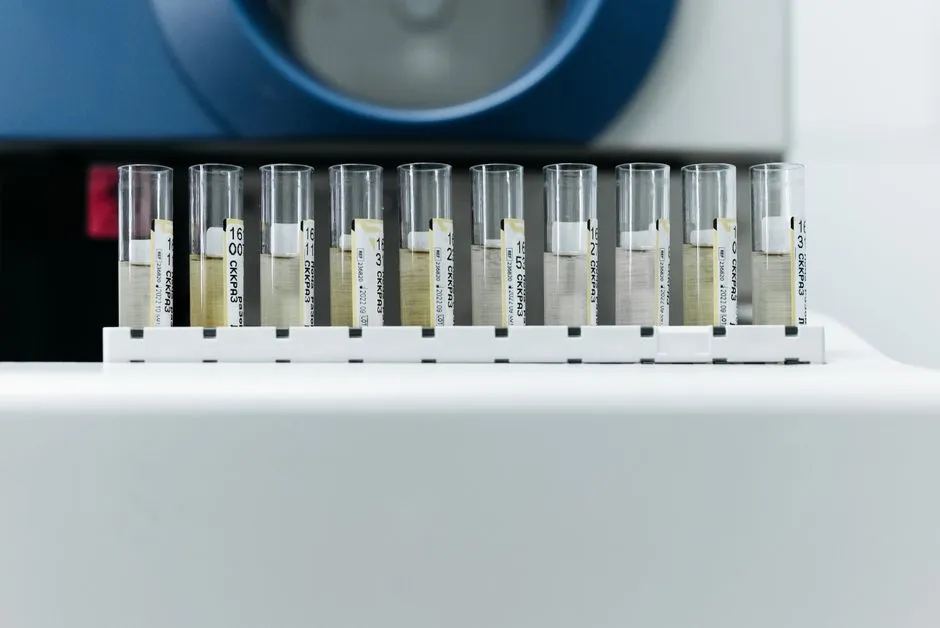
Coolant service can mean several different jobs
A drain and fill removes part of the old coolant and refills the system. A flush may circulate fluid or equipment through more of the system. A repair may require draining, component replacement, vacuum filling, bleeding, pressure testing, or electronic pump activation. Ask what the quoted “coolant service” actually includes. The phrase is a category, not a container with a hose attached.
Start with the exact requirement
Use official service information for coolant specification, mixture, interval, circuit layout, capacity context, drain points, temperature conditions, environmental handling, and bleeding procedure. Hybrids and electric vehicles can have multiple thermal circuits and high-voltage components.
Do not choose coolant by color. The fluid-color myth explains why matching dye is not chemistry verification.
Define the service reason
Scheduled replacement differs from correcting contamination, an unknown mixture, overheating, leakage, component repair, or a recall. Ask whether testing identified freeze protection, corrosion protection, exhaust gas, oil contamination, electrical conductivity, pressure loss, or another condition—and what the test can actually prove.
A flush cannot repair a leaking water pump, damaged hose, failed cap, internal engine fault, blocked airflow, or control problem.
Compare drain-and-fill with flush scope
A drain and fill may leave old coolant in the engine, heater, hoses, or other circuits. Repeated exchanges can change a greater share, but only if the official procedure permits them. Machine flushing can introduce pressure or incompatible chemicals and is not appropriate for every system.
Ask which ports and equipment are used, whether chemical cleaner is involved, how it is removed, and what happens to trapped old fluid. “Power flush” is not automatically more thorough or safer because the adjective wore boots.
Bleeding is critical
Air pockets can impair circulation, cabin heat, sensor readings, or component cooling. Some vehicles use bleed screws, vacuum filling, scan-tool commands, electric pumps, raised reservoirs, or temperature cycles. Incorrect bleeding can cause overheating.
Never open a hot pressurized cap. Never run an engine in an enclosed space. High-voltage thermal systems belong with qualified trained service.
Ask what is inspected
A complete service may include visual inspection of hoses, reservoir, cap, radiator, pump area, heater operation, fans, belts where applicable, clamps, shields, and leaks. Pressure testing and cap testing can require specialized equipment and safety controls.
Record pre-service concentration or test results, fluid removed, product and specification installed, mixture, amount, bleeding method, post-service temperature behavior, and leak check.
Compare estimates by written scope
Use the second-opinion guide if the recommendation follows overheating, repeated loss, contamination, or an uncertain diagnosis. Ask whether the quote includes diagnosis or only exchange.
The no-DIY guide applies because heat, pressure, toxicity, moving fans, environmental disposal, and high voltage can combine.
Verify after service
After the vehicle cools completely, monitor level only under the manual's stated condition, heater behavior, warnings, leaks, and odor. Stop for overheating, steam, rapid loss, or abnormal operation. A successful service leaves the correct fluid at the correct level with air removed and the original reason addressed—not merely a reservoir whose color photographs well.