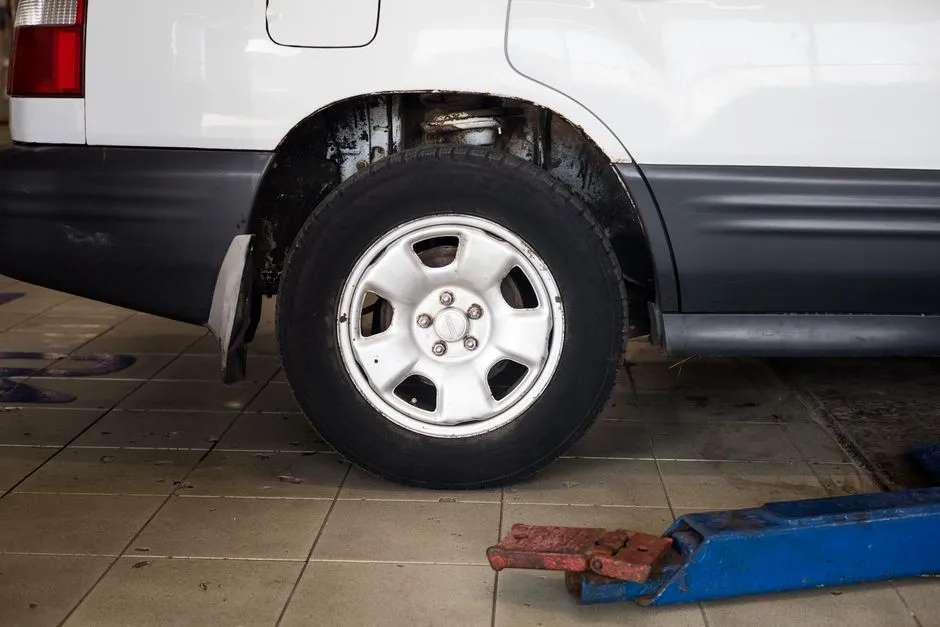
Garage Skills
How to Choose Basic Automotive Hand Tools
Choose automotive hand tools from the exact jobs and service procedures you plan to perform.
DIY vehicle work begins with service information, personal limits, a stable workspace, correct tools, and a plan for the car to remain safely supported if the job stops halfway. These guides teach preparation and tool literacy without pretending a generic sequence can replace an exact manual. The cleverest move in a garage is often recognizing the step that requires training or equipment you do not have.
Choose automotive hand tools from the exact jobs and service procedures you plan to perform.

Treat battery-terminal corrosion as a condition to inspect, not merely scrub.

Inspect an engine air filter using the exact vehicle's location, interval, access, and filter specification.

Prepare for DIY car maintenance by obtaining exact vehicle service information, listing every hazard, confirming a firm level legal workspace, and…
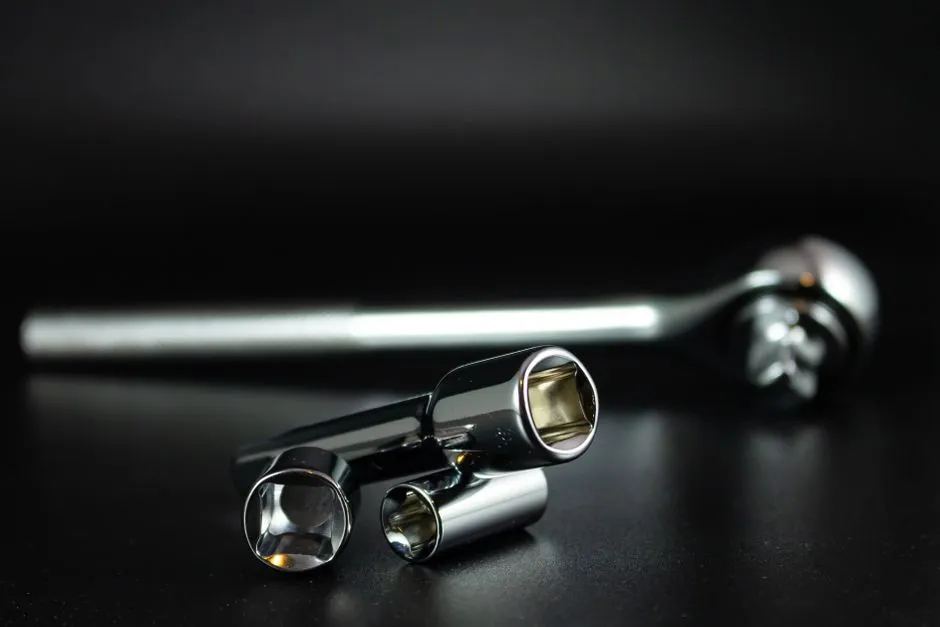
Read a fastener torque specification as a complete procedure: exact vehicle and fastener, units, dry or lubricated thread condition, coating or sealant,…
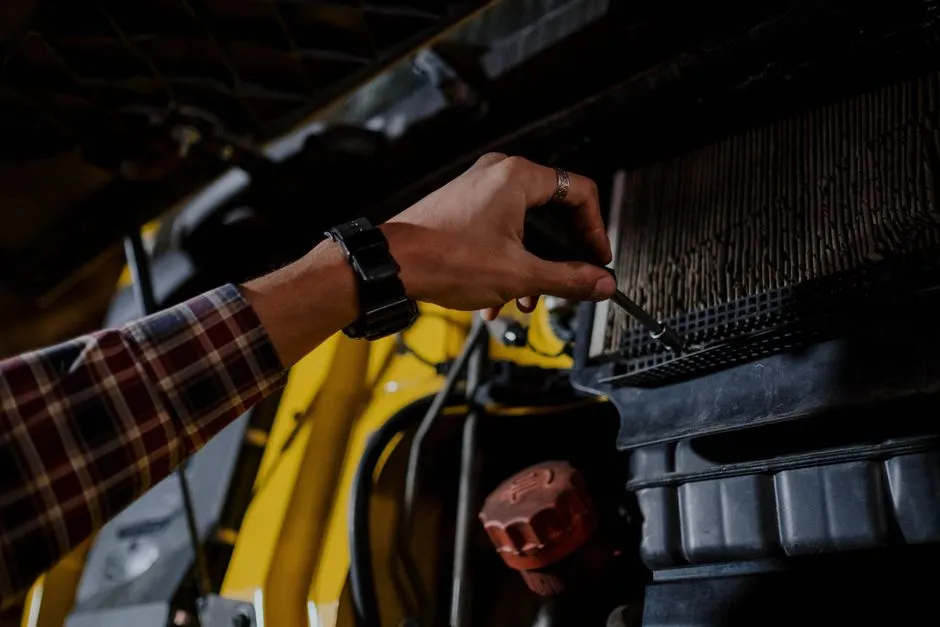
Plan a cabin air filter change from the exact vehicle procedure and correct filter dimensions, media, panel count, access, and airflow direction.
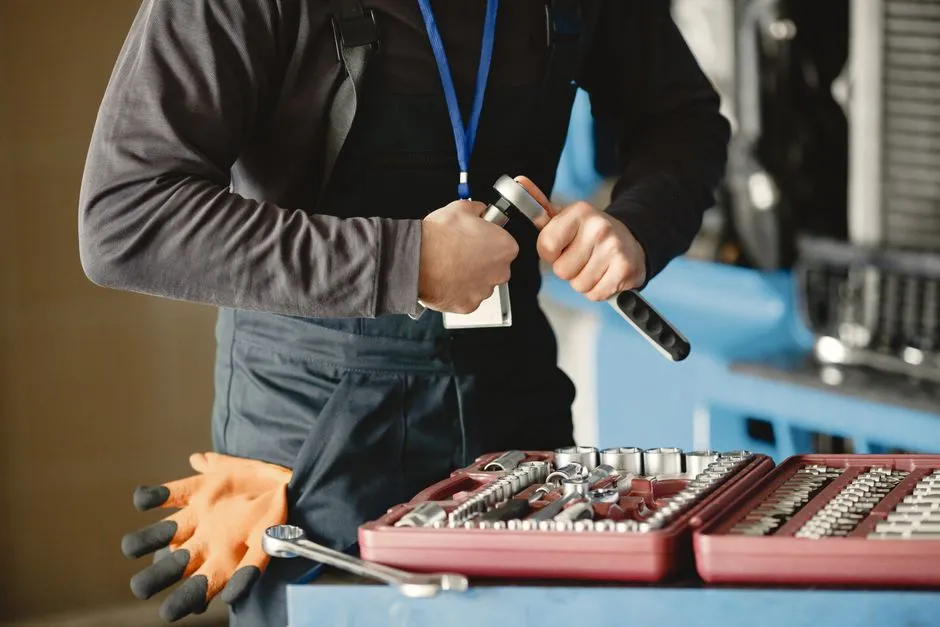
Replace windshield wipers only after confirming the exact blade length, connector, orientation, and service-position procedure.

Never work beneath a vehicle supported only by a jack. Use official lifting and support points plus the jack and stand makers' instructions.
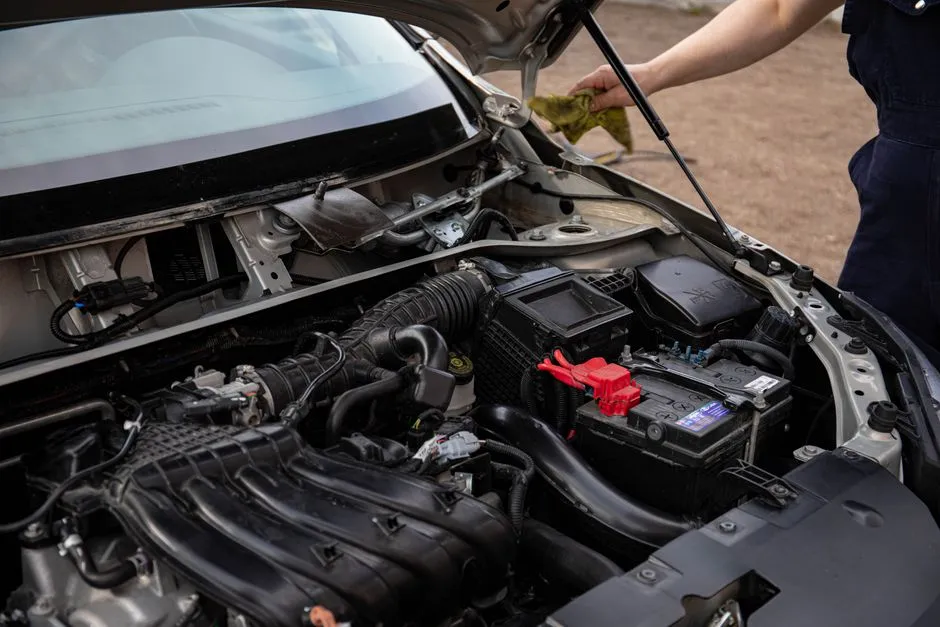
Use an OBD-II scan tool to preserve evidence, not select a replacement part.
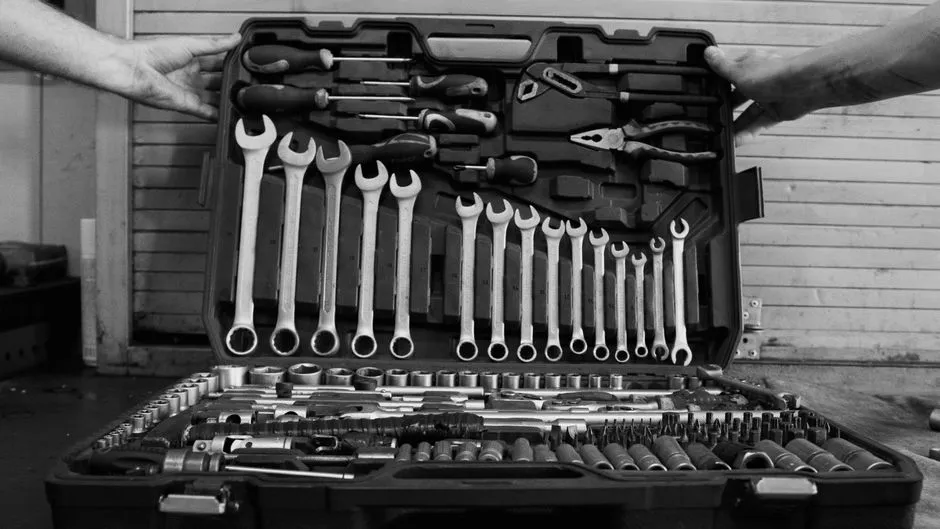
Use a torque wrench only after finding the exact fastener specification, units, thread condition, sequence, stages, replacement rules, and any angle step.