How to Describe a Car Noise for Diagnosis
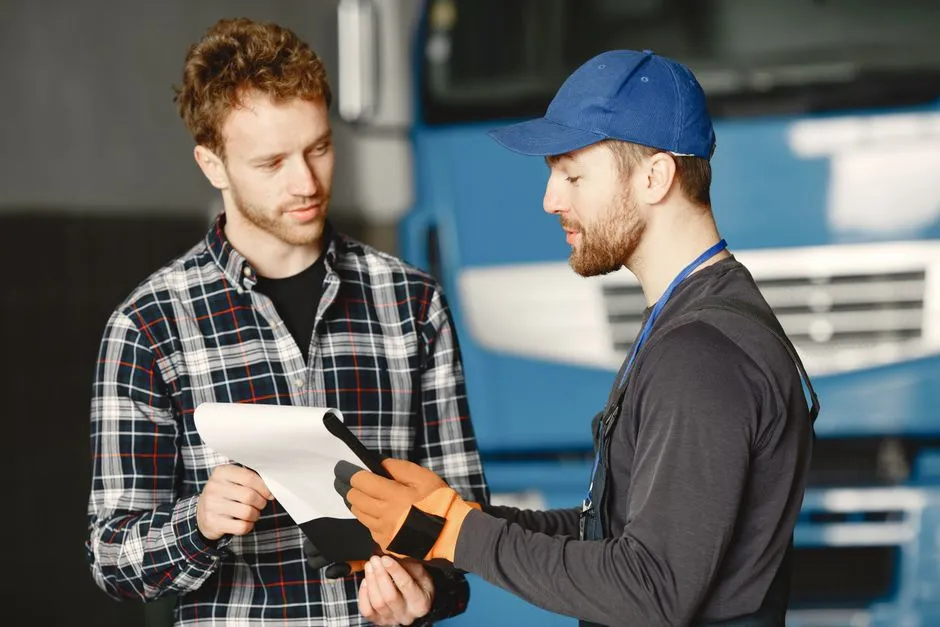
Describe a car noise by conditions, rhythm, and location
“It makes a weird sound” is honest but difficult to test. A useful report states when the noise begins, speed, engine load, gear, steering angle, braking, road surface, temperature, weather, and whether its rhythm follows engine speed, road speed, bumps, or wheel rotation. The description guides reproduction; it does not diagnose one component.
Start with the safety question
Stop driving for a noise accompanied by reduced braking or steering, severe vibration, tire damage, overheating, smoke, fire, fuel odor, fluid loss, a warning requiring a stop, or rapidly worsening control. Arrange qualified help.
Do not repeatedly recreate a dangerous sound for a better recording. The vehicle has already submitted its audition.
Choose precise sound words
Use tick, click, knock, clunk, scrape, grind, squeal, chirp, hiss, whistle, hum, drone, rumble, buzz, or rattle, then describe volume and rhythm. Avoid imitating it for the entire service advisor unless requested; write the pattern too.
Note whether it is one event, repeating, random, or continuous. Count repetitions over a short safe observation if possible.
Record operating conditions
Write cold start versus warm, idle versus acceleration, steady speed versus coast, left versus right turn, braking versus release, smooth versus rough road, climate system on versus off, and loaded versus empty. Note the lowest safe speed at which it appears and whether engine RPM or vehicle speed changes it.
Do not conduct experiments that violate traffic law or divide attention.
Locate without overclaiming
Describe perceived front, rear, left, right, cabin, engine bay, underbody, or one wheel area. Sound travels through body structure, so say “seems near” rather than declaring the source.
Passengers can help locate, but nobody should lean out, open doors, crawl beneath, or ride in cargo areas.
Make a safe recording
Record only while parked or have a passenger operate the device without distracting the driver. Capture startup and shutdown when safe. State phone location and conditions. A microphone can exaggerate high frequencies or hide low rumble, so recordings supplement the report.
Protect personal conversation, location, and identifying information before sharing.
Check for simple exterior causes while parked
Inspect loose cargo, floor mats, license plates, wheel-well debris, underbody panels visible without crawling, and objects in the cabin. Do not touch hot, rotating, high-voltage, or pressurized components.
Use an OBD scan tool to preserve related codes only if safe and appropriate. A code and noise occurring together are evidence, not proof of one cause.
Build a one-page symptom log
Include date, odometer, recent service or impact, first occurrence, progression, conditions, warnings, fluid findings, recording names, and unsuccessful attempts. Share it when seeking a second opinion.
Let the technician reproduce safely
Discuss a controlled road test or shop test. Do not demand public-road behavior that feels unsafe. If the sound is intermittent, leave clear contact permission before additional diagnosis.
When not to DIY applies to noises from brakes, steering, tires, high voltage, fuel, or internal engine damage. A good description turns “weird” into testable conditions. It cannot make every rattle appear on command, because rattles observe shop appointments as religious holidays.